




If you live with diabetes, even the smallest irritation on your foot can turn into a serious health issue. A tiny blister from a sock seam might go unnoticed due to nerve damage, then develop into an ulcer or infection—sometimes severe enough to require amputation. This is where diabetic socks come in. These aren’t just soft or thick socks; they’re specially engineered to protect sensitive feet by eliminating friction, wicking moisture, improving circulation, and preventing injuries before they start. The most critical feature—no seams—isn’t about comfort alone; it’s a medical safeguard. In this guide, you’ll learn exactly what makes diabetic socks different, why seamless design is essential, who needs them, and how to choose and care for the right pair to keep your feet safe.
Why Diabetes Makes Feet Vulnerable
Nerve Damage Masks Pain and Injury
Over time, high blood sugar damages nerves in the feet—a condition called diabetic neuropathy. This means you may not feel pain, heat, or pressure, even if you’re developing a blister or cut. Without warning signals, minor irritations go undetected and can progress into open sores or infections.
Poor Blood Flow Delays Healing
Diabetes also affects blood vessels, reducing circulation to the feet. With less oxygen and nutrients delivered, wounds heal slowly and are more prone to infection. When combined with nerve damage, this creates a dangerous cycle: injuries aren’t felt, they don’t heal well, and they can escalate quickly.
Daily Inspections Are Non-Negotiable
Because of these risks, healthcare providers like Tina Canada, RN, stress the importance of daily foot checks. But prevention starts before problems appear—and wearing properly designed socks is a key part of proactive foot care.
Seamless Design: A Lifesaving Feature
Eliminates Friction at the Toes
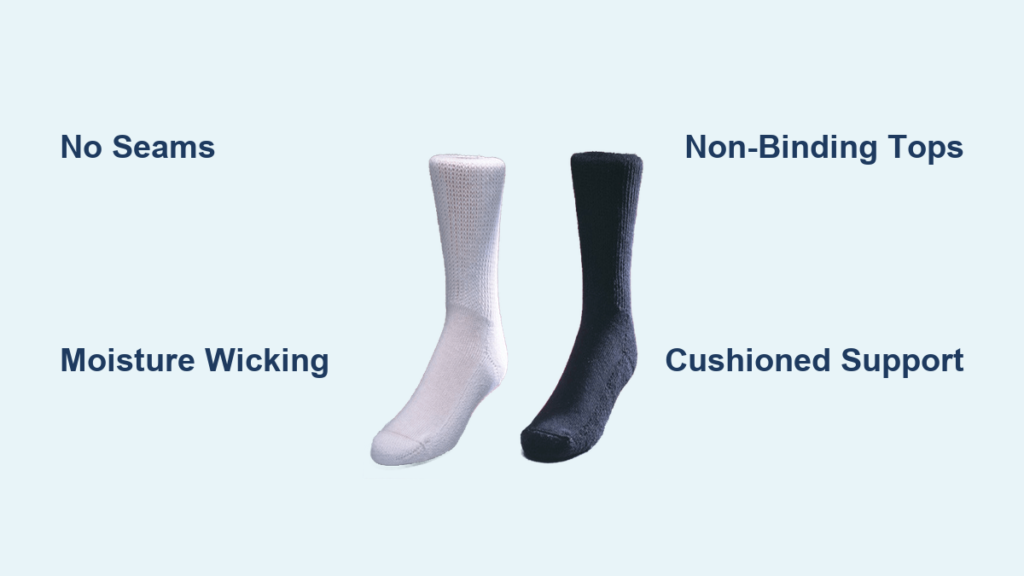
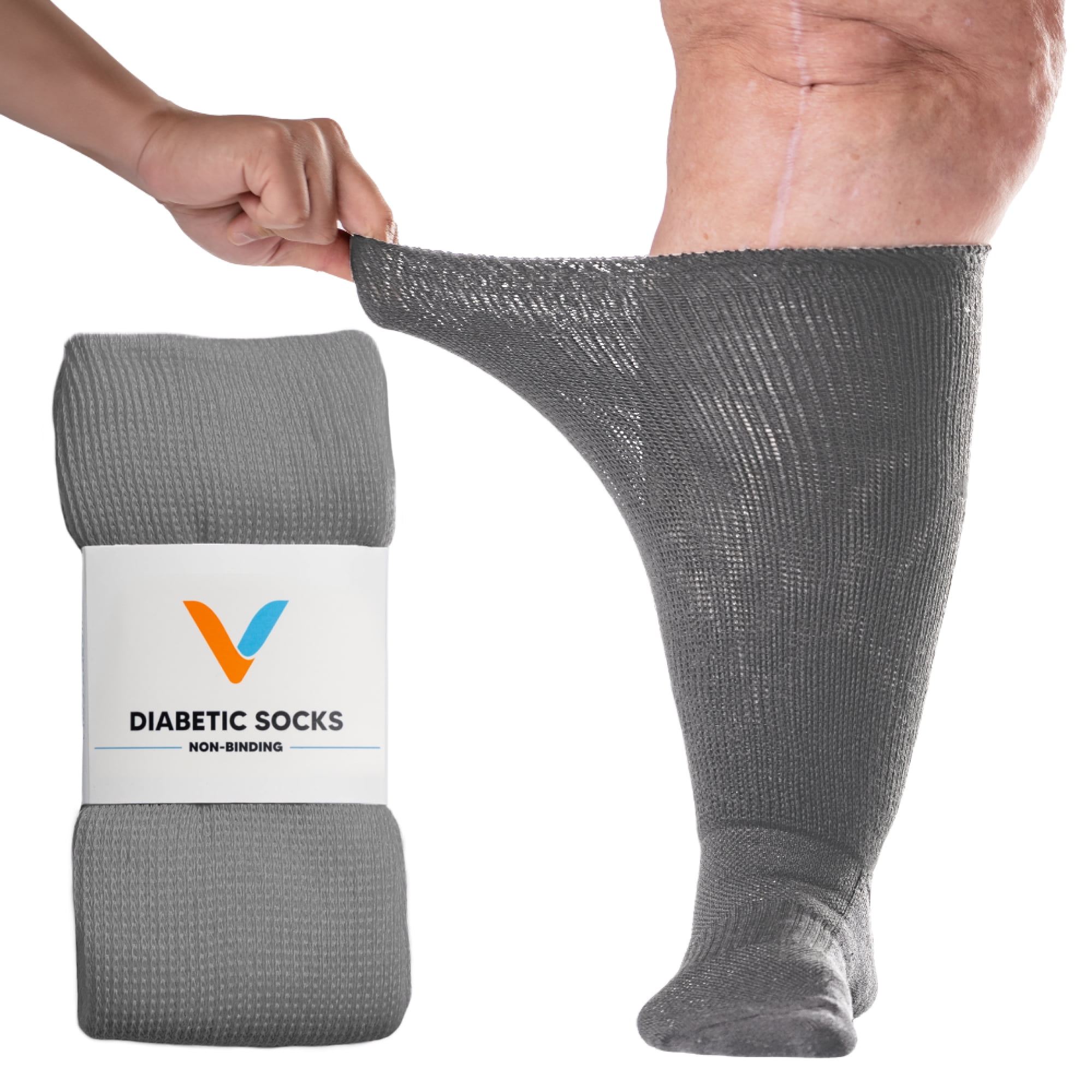
Regular socks have stitched seams across the toes that rub against the skin with every step. For someone with normal sensation, this might feel slightly annoying—but for a person with neuropathy, it can cause blisters or abrasions without any warning. Diabetic socks are seamless (or use flat, nearly invisible seams) to remove this friction point entirely.
Prevents Pressure Sores on Bony Areas
Raised seams press into the skin, especially when wearing shoes. Over time, that constant pressure can break down skin tissue, leading to pressure sores or ulcers—particularly on bony areas like the tops of toes. A smooth interior prevents these hotspots before they start.
Reduces Risk of Foot Ulcers
Foot ulcers are one of the leading causes of hospitalization and amputation in people with diabetes. By removing potential sources of micro-injury, seamless socks help lower ulcer risk, especially in high-risk individuals with existing neuropathy or foot deformities.
Protects Delicate, Thin Skin
Even minor texture changes inside a sock can irritate thin or damaged skin. Seamless construction ensures a uniform, soft surface that won’t abrade sensitive areas, making it ideal for those with fragile skin or prior foot complications.
Moisture-Wicking Fabrics Keep Feet Dry and Safe

Wet Skin Increases Infection Risk
Sweaty feet create a damp environment where bacteria and fungi thrive. This raises the risk of athlete’s foot, fungal toenails, or cellulitis—infections that can spread rapidly in diabetics due to poor immune response and circulation.
Best Materials for Dry, Healthy Feet
Diabetic socks use advanced fibers that pull moisture away from the skin and allow it to evaporate quickly. Common options include:
- Merino wool: Naturally wicks moisture, regulates temperature, and resists odor.
- Bamboo: Soft, breathable, and naturally antimicrobial.
- Polyester and acrylic blends: Durable, quick-drying, and engineered for performance.
- Cotton blends: Often mixed with synthetics to improve wicking (pure cotton retains moisture).
Silver or Copper Yarns Fight Bacteria
Some models include silver or copper threads woven into the fabric. These metals have natural antimicrobial properties that inhibit bacterial growth, helping prevent odor and reduce infection risk—especially useful for those who sweat heavily or have trouble washing feet daily.
Non-Binding Tops Promote Healthy Circulation
Avoid Tight Bands That Restrict Blood Flow
Many regular socks have elastic tops that squeeze the calf. For people with diabetes, this compression can worsen poor circulation, restrict blood flow, and contribute to swelling or tissue damage.
Accommodates Swelling Without Constriction
Diabetic socks use stretchy, non-binding cuffs that stay in place without digging in. This is especially important for individuals with edema (swelling), which is common in diabetic patients. The sock expands with the leg instead of cutting it off.
Safe for Sensitive Skin and Legs
Non-binding design also protects delicate skin that may bruise or tear easily. There’s no risk of the sock leaving marks or cutting off circulation during long periods of sitting or standing.
Cushioned Support Reduces Foot Stress and Impact
Absorbs Shock During Walking
Every step creates force on the feet—especially on the heel and ball. Diabetic socks often include extra cushioning in high-pressure zones to absorb shock and reduce microtrauma, which is crucial for those with reduced sensation.
Helps With Bunions, Hammertoes, and Deformities
Conditions like bunions, hammertoes, or Charcot foot change the shape of the foot and increase pressure points. Padded socks help distribute pressure evenly, protecting bony prominences from rubbing or ulceration.
Ideal for Active Lifestyles
For people who walk frequently, stand all day, or exercise, cushioned diabetic socks offer enhanced comfort and protection. Acrylic-blend padded socks are often recommended for athletes or workers on their feet.
Antimicrobial Protection Fights Infections
Blocks Bacteria at the Source
Even tiny cracks or abrasions in the skin can let bacteria in. In diabetics, these small wounds may go unnoticed and become infected due to poor circulation and immune function.
Silver-Infused Fibers Work Continuously
Socks with silver-infused fibers continuously fight microbes on contact. This helps keep the foot environment cleaner between washes and reduces the chance of infection taking hold.
Prevents Fungal Growth in Humid Conditions
Antimicrobial properties also inhibit mold and fungi, making these socks ideal for humid climates or individuals with hyperhidrosis (excessive sweating).
Smart Socks: Real-Time Foot Monitoring
Detects Early Warning Signs
Advanced diabetic socks like Siren Socks contain tiny sensors that monitor foot temperature and pressure. Since inflammation often causes localized heat increases before visible symptoms appear, these socks can detect problems early.
Sends Alerts to Your Phone
When a hotspot develops—indicating possible irritation or injury—the sensor sends an alert to a smartphone app. This allows users to inspect their feet and intervene before an ulcer forms.
Best for High-Risk Patients
Smart socks are particularly valuable for those with severe neuropathy or a history of ulcers, offering real-time monitoring that complements daily visual checks.
Who Should Wear Diabetic Socks?
People With Numb or Insensitive Feet
If you’ve lost sensation in your feet, seamless, non-irritating socks are essential. You can’t rely on pain to warn you of injury—so prevention becomes your primary defense.
Those With Poor Circulation or Swelling
Non-binding, breathable socks help maintain blood flow and accommodate edema without restricting the legs. Look for mild-compression diabetic socks only if approved by your doctor.
Individuals With Past Foot Ulcers
If you’ve had a foot wound before, your risk of recurrence is high. Wearing protective socks daily lowers the chance of re-injury and supports long-term foot health.
Active Diabetics or Long-Standing Workers
Anyone spending hours on their feet benefits from cushioning, moisture control, and seamless comfort. These socks reduce fatigue and protect against repetitive stress.
Pregnant Women With Gestational Diabetes
While not always required, some women with gestational diabetes may benefit from diabetic socks due to increased DVT risk and swelling, though compression should be used cautiously.
Diabetic Socks vs. Compression Socks: Know the Difference
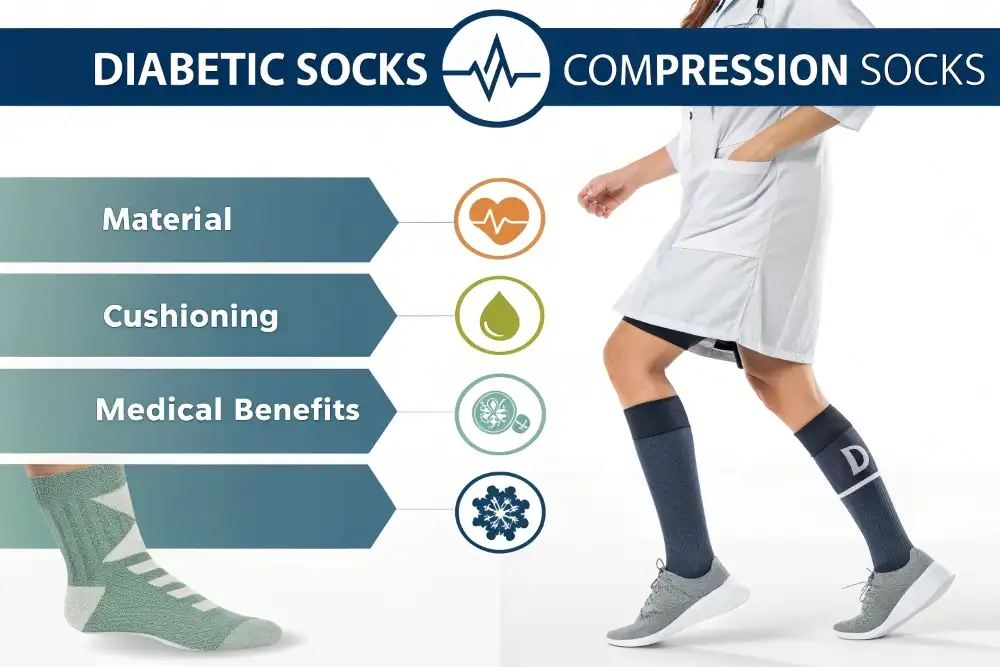
Diabetic Socks Focus on Protection
Their main goal is to prevent injury through seamless design, padding, and moisture management. They fit snugly but never squeeze, ensuring unrestricted blood flow.
Compression Socks Improve Blood Flow
Designed to treat venous insufficiency or DVT, compression socks apply graduated pressure—tightest at the ankle, looser up the leg. While helpful for swelling, they can be dangerous for some diabetics if circulation is already impaired.
Hybrid Options Exist—With Caution
Some brands offer diabetic compression socks with mild, safe compression (18–25 mm Hg) combined with seamless, non-binding features. These may be appropriate for certain patients but require medical approval before use.
How to Wear and Care for Diabetic Socks
Wear Them Daily as Part of Foot Care
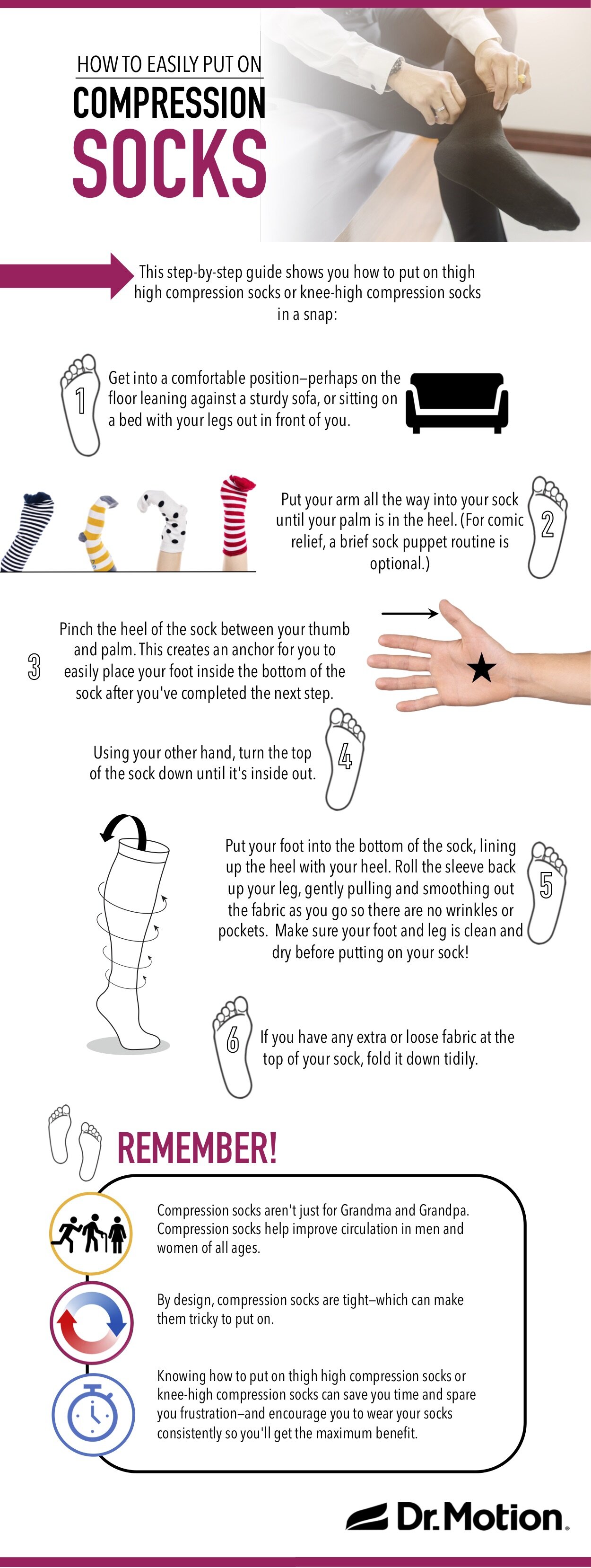
Put on diabetic socks every morning as part of your routine. If using compression-style versions, wear them first thing in the morning, before swelling sets in.
Inspect Your Feet Every Day
Use a mirror to check the bottoms of your feet for redness, cuts, or swelling. Do this even if your feet feel fine—neuropathy means you might not feel an injury.
Wash After Every Use
Socks should be cleaned after each wear to remove sweat, bacteria, and debris. Use cold or warm water on a gentle cycle with mild detergent.
Avoid Bleach and Fabric Softeners
These degrade moisture-wicking and antimicrobial properties. Instead, opt for fragrance-free, hypoallergenic laundry products.
Dry on Low Heat or Air Dry
High heat can shrink fibers and damage elastic. Tumble dry on low or air dry flat to extend sock life.
Replace Every 6 Months
Even with proper care, socks lose effectiveness over time. Discard them at the first sign of thinning, holes, stretched cuffs, or worn seams. Most last about six months with daily use.
Where to Buy and Cost Considerations
Available at Pharmacies and Online
You can find diabetic socks at pharmacies, medical supply shops, and online retailers like Amazon. Popular brands include Dr. Comfort, Thorlo, Renfro, and Planet Linens.
Prices Range from $2 to $140
Basic pairs start around $2, while premium or smart socks can cost up to $140 per pair. Factors affecting price include material (e.g., merino wool), technology (silver-infused, sensors), and brand.
FSA/HSA Eligible—Check Insurance
Most insurance plans—including Medicare—do not cover diabetic socks. However, they are often eligible for reimbursement through Flexible Spending Accounts (FSA) or Health Savings Accounts (HSA). Keep receipts and confirm with your provider.
Professional Guidelines and Recommendations
ADA: Not Everyone Needs Them
The American Diabetes Association (ADA) states that people without foot complications can wear any well-fitting, breathable socks—as long as they’re seamless and non-irritating.
Experts Recommend Them for High Risk
For those with neuropathy, foot deformities, or a history of ulcers, healthcare providers strongly recommend padded, seamless, moisture-wicking socks as part of a full foot protection plan.
Consult a Podiatrist or CDCES
A certified diabetes care and education specialist (CDCES) or podiatrist can assess your individual risk and recommend the best sock type, fit, and features for your needs.