



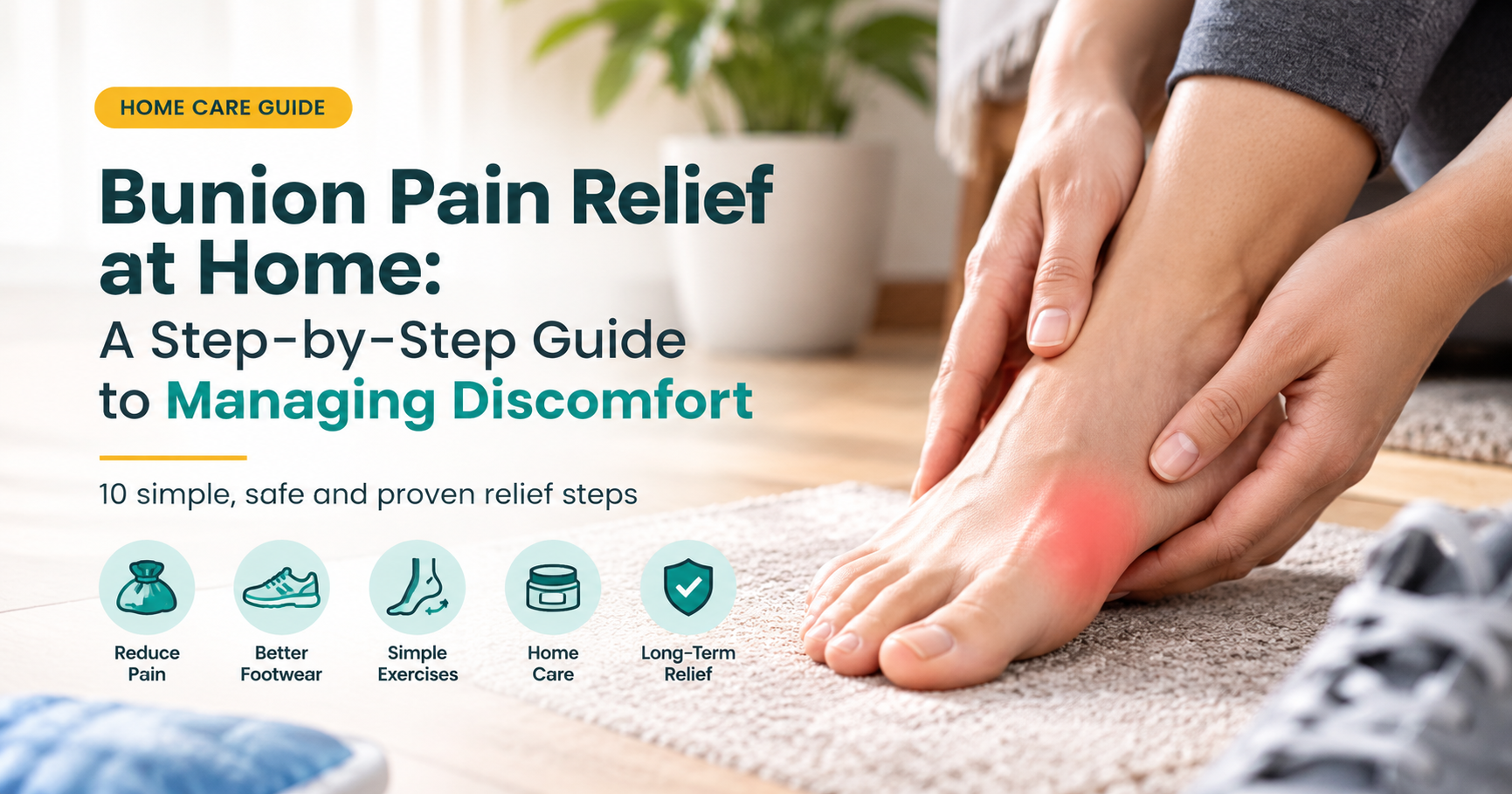
Bunion pain can make every step feel like a struggle. That throbbing bump at the base of your big toe can limit your shoes, your exercise and even your sleep. The good news is that many people find real relief with simple routines they can do at home. This step by step guide explains what bunions are, why they hurt and exactly how to ease the pain safely.
Quick Summary
- Bunions are bony changes, so home care manages pain rather than cures the deformity.
- Roomy shoes, padding, ice and gentle exercise give the best results.
- See a foot specialist if pain is severe, constant or affects walking.
What Is a Bunion?
A bunion (hallux valgus) is a bony bump that forms on the joint at the base of the big toe. Over time the big toe leans toward the smaller toes, and the joint sticks out. The skin over it can become red, swollen and tender.
Common Symptoms
- A visible bump on the inner side of the foot
- Pain, burning or soreness around the big toe joint
- Redness and swelling
- Stiff or limited big toe movement
- Calluses where toes overlap
What Causes Bunions?
Bunions are often the result of several factors working together: inherited foot shape, flat feet or loose joints, long-term use of tight or high-heeled shoes, arthritis, and foot injuries. Women are affected more often, largely because of footwear choices.
Step by Step: How to Relieve Bunion Pain at Home
Follow these steps in order, or combine the ones that suit you best.
Step 1: Rest the Foot and Reduce Pressure
Stop activities that aggravate the joint. Sit down, take weight off the foot and avoid long periods standing or walking in tight shoes. Short rest breaks through the day calm irritated tissue quickly.
Step 2: Elevate and Ice the Bunion
Prop your foot above heart level and apply a cold pack wrapped in a thin towel for 10 to 15 minutes, up to three times daily. Cold numbs pain and reduces swelling. Never place ice directly on skin.
Step 3: Switch to Wide, Supportive Shoes
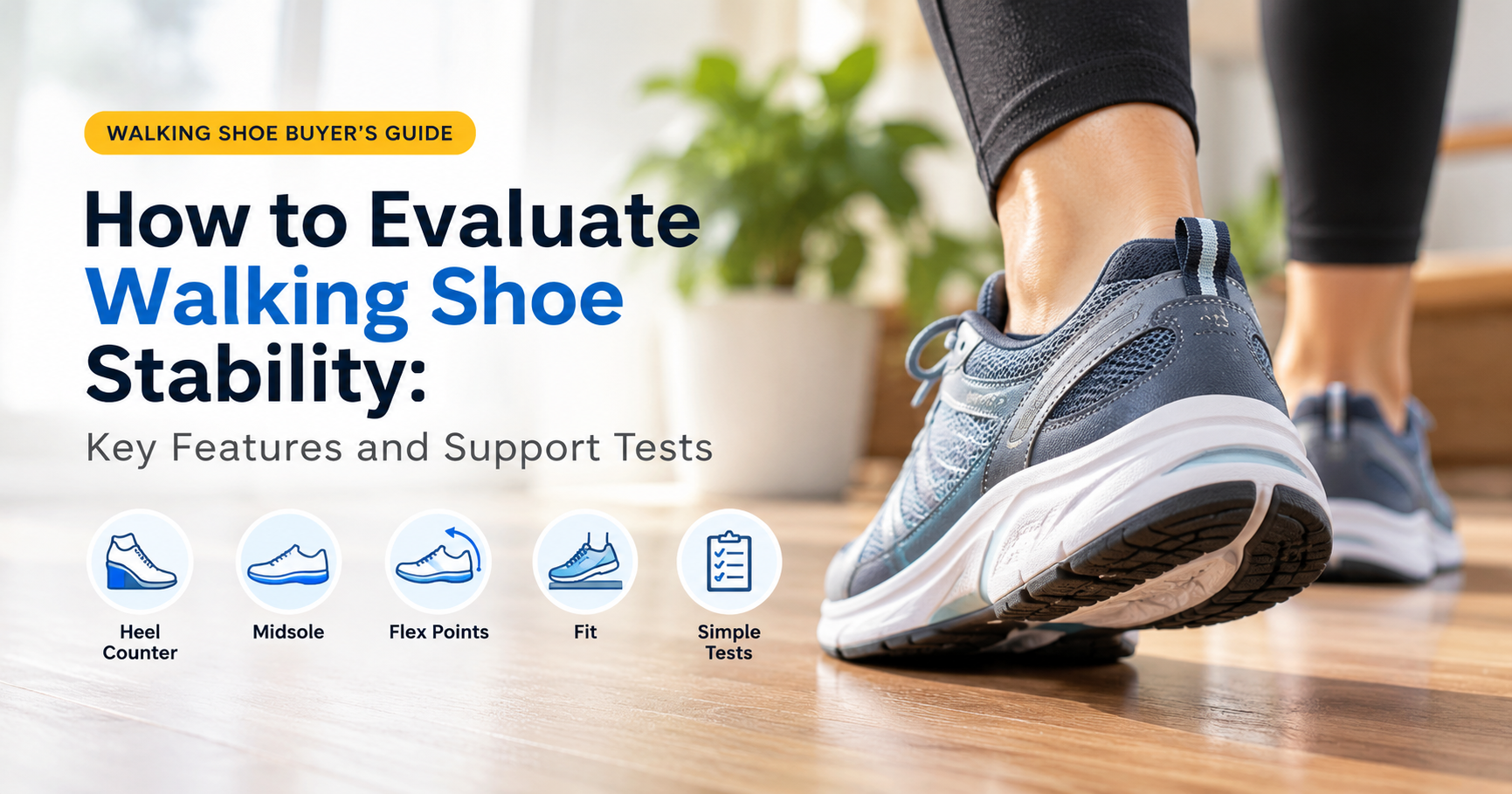
Footwear is the biggest factor. Choose shoes with a roomy toe box, low heel (under 2 inches) and flexible, cushioned soles. You should be able to wiggle all your toes freely. Shop in the afternoon when feet are slightly swollen.
Step 4: Use Bunion Pads and Toe Spacers
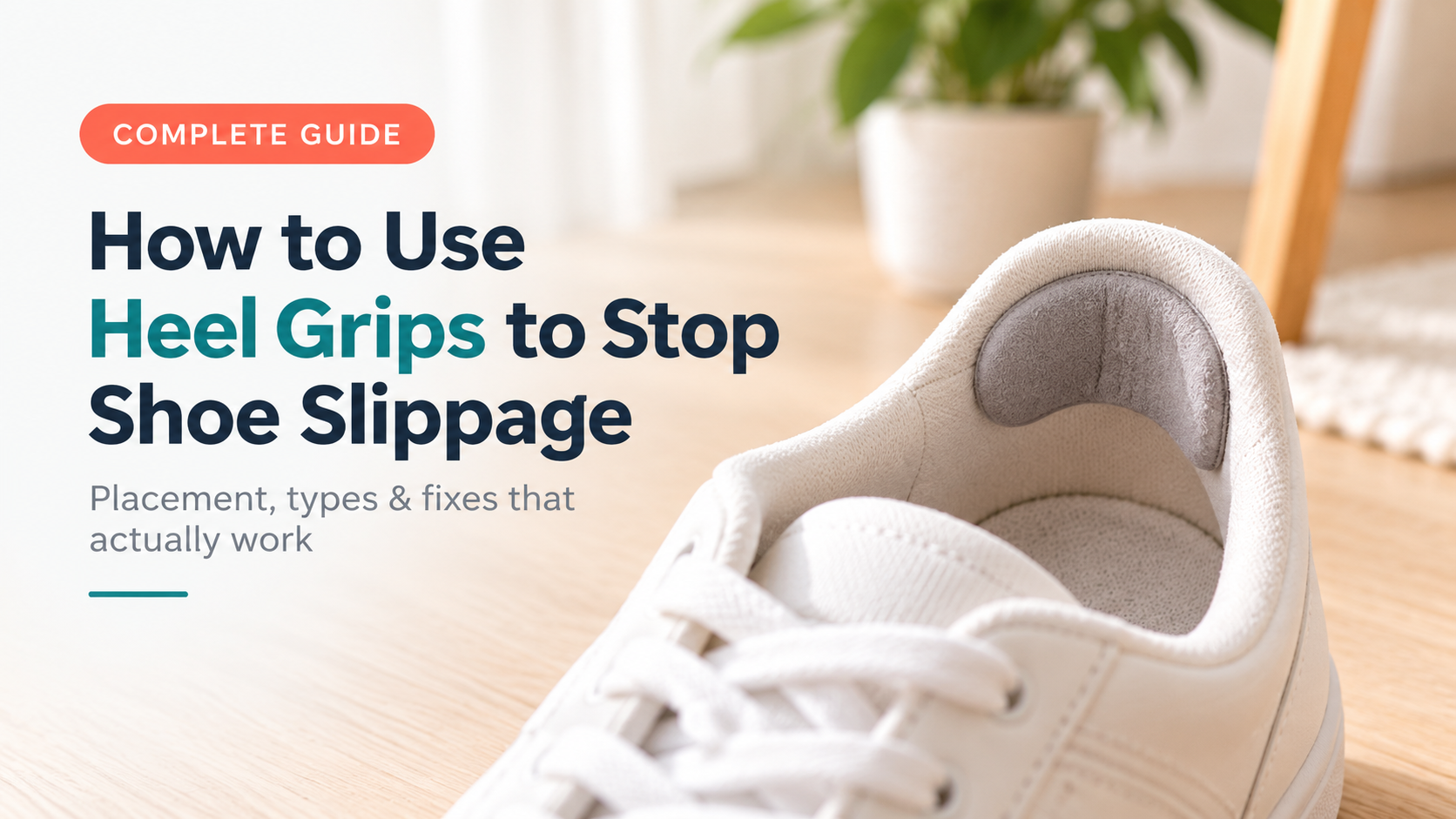
Gel or moleskin bunion cushions protect the bump from friction. Silicone toe spacers placed between the big and second toe ease crowding and may help the toe sit in a more natural position.
Step 5: Try a Warm Foot Soak
Soak feet for 15 minutes in warm (not hot) water with Epsom salt. This relaxes tight muscles and soothes stiffness. Dry thoroughly afterward, especially between the toes.
Step 6: Gently Massage the Area
Using a little oil or lotion, massage the ball of the foot and the big toe joint with your thumbs in slow circles for 3 to 5 minutes. Also gently pull the big toe straight and hold a few seconds. Stop if it hurts sharply.
Step 7: Do Daily Toe Exercises
Strong foot muscles improve support. Practice toe spreads, towel scrunches, marble pick-ups and toe circles for 5 to 10 minutes daily. Consistency matters more than intensity.
Step 8: Take Over-the-Counter Pain Relief
Ibuprofen or naproxen can ease pain and inflammation, while acetaminophen helps with pain alone. Follow label directions and check with a pharmacist or doctor if you have stomach, kidney, heart conditions or take other medicines.
Step 9: Wear Supportive Insoles or Arch Support
Flat feet and fallen arches can worsen bunions. Over-the-counter orthotic insoles spread pressure more evenly across the foot and reduce strain on the big toe joint.
Step 10: Use a Bunion Night Splint and Manage Weight
Night splints hold the toe straighter during sleep and can reduce morning stiffness. Maintaining a healthy weight also lowers the load on your forefoot with every step.
Choose the Right Shoes
Look for a rounded or square toe box, soft stretchy upper material, a firm heel counter and a cushioned sole. Avoid pointed toes, high heels and stiff narrow dress shoes whenever possible.
Helpful Products to Consider
These product types are commonly used for bunion comfort. Check materials, sizing and reviews before buying.
- Gel bunion cushions: reduce friction and rubbing.
- Toe spacers or separators: ease toe crowding.
- Orthotic insoles: support the arch and spread pressure.
- Night splints: gentle overnight alignment.
- Wide toe box shoes: everyday pain prevention.
- Reusable gel ice packs: easy cold therapy.
What to Avoid
- Walking barefoot on hard floors for long periods
- Squeezing the bump or trying to pop it
- Applying heat to a very swollen, inflamed joint
- Ignoring pain and pushing through activity
When to See a Doctor
Home care is not enough in every case. Seek professional advice if you have severe or constant pain, signs of infection (warmth, pus, fever), numbness, a toe that overlaps others, difficulty walking, or if you have diabetes or poor circulation. A podiatrist can recommend custom orthotics, injections or, in advanced cases, surgery.
Frequently Asked Questions
Can a bunion go away on its own?
No. A bunion is a bony change in the joint, so it will not disappear without surgery. However, home care can greatly reduce pain and slow progression.
How long does it take for home remedies to work?
Ice, pads and better shoes can ease pain within days. Exercises and insoles usually need 4 to 8 weeks of consistent use.
Are bunion correctors worth it?
They may relieve discomfort and cushion the joint, but there is little evidence that they permanently straighten the toe.
Is walking good for bunions?
Yes, in supportive, roomy shoes. Avoid long walks in narrow or high-heeled footwear.
Final Thoughts
You do not have to live with constant bunion pain. By resting, icing, wearing wide supportive shoes, using pads and spacers, and doing daily exercises, you can reduce discomfort and protect your joint. Start with two or three steps today and build a routine that works for you.
Disclaimer: This article is for general information only and is not medical advice. Consult a qualified healthcare professional for diagnosis and treatment.