


Ingrown toenails don’t start with a sudden spike of pain—they begin silently, often unnoticed, as your shoes slowly press the edge of your toenail into the delicate skin beside it. One of the most common causes? Tight shoes. Whether it’s a snug pair of dress shoes, narrow athletic footwear, or boots that feel “almost right,” prolonged pressure can force the nail to grow inward instead of forward. Over time, this leads to redness, swelling, and eventually sharp, throbbing pain—especially when walking or wearing closed footwear.
The good news: nearly all ingrown toenails caused by tight shoes are preventable. You don’t need surgery or special treatments—just a few smart, consistent habits. By choosing the right footwear, trimming your nails correctly, and monitoring your foot health, you can avoid discomfort before it starts. In this guide, you’ll learn exactly how tight shoes trigger ingrown toenails, what signs to watch for, and the most effective prevention strategies—so you can keep your feet healthy, pain-free, and ready for every step.
Choose Shoes That Fit Your Toes Properly

The foundation of ingrown toenail prevention is simple: wear shoes that don’t squeeze your toes. Even if your shoes feel comfortable at first, a narrow or short fit can silently damage your nails over time. The goal is to eliminate pressure points that push the nail into the skin, especially on the big toe—the most common site for ingrown toenails.
Measure Your Feet Regularly—Don’t Guess Your Size
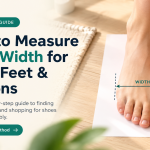
Most people wear shoes that are too small, often without realizing it. Feet change with age, weight, pregnancy, and activity levels, so relying on your old shoe size is risky.
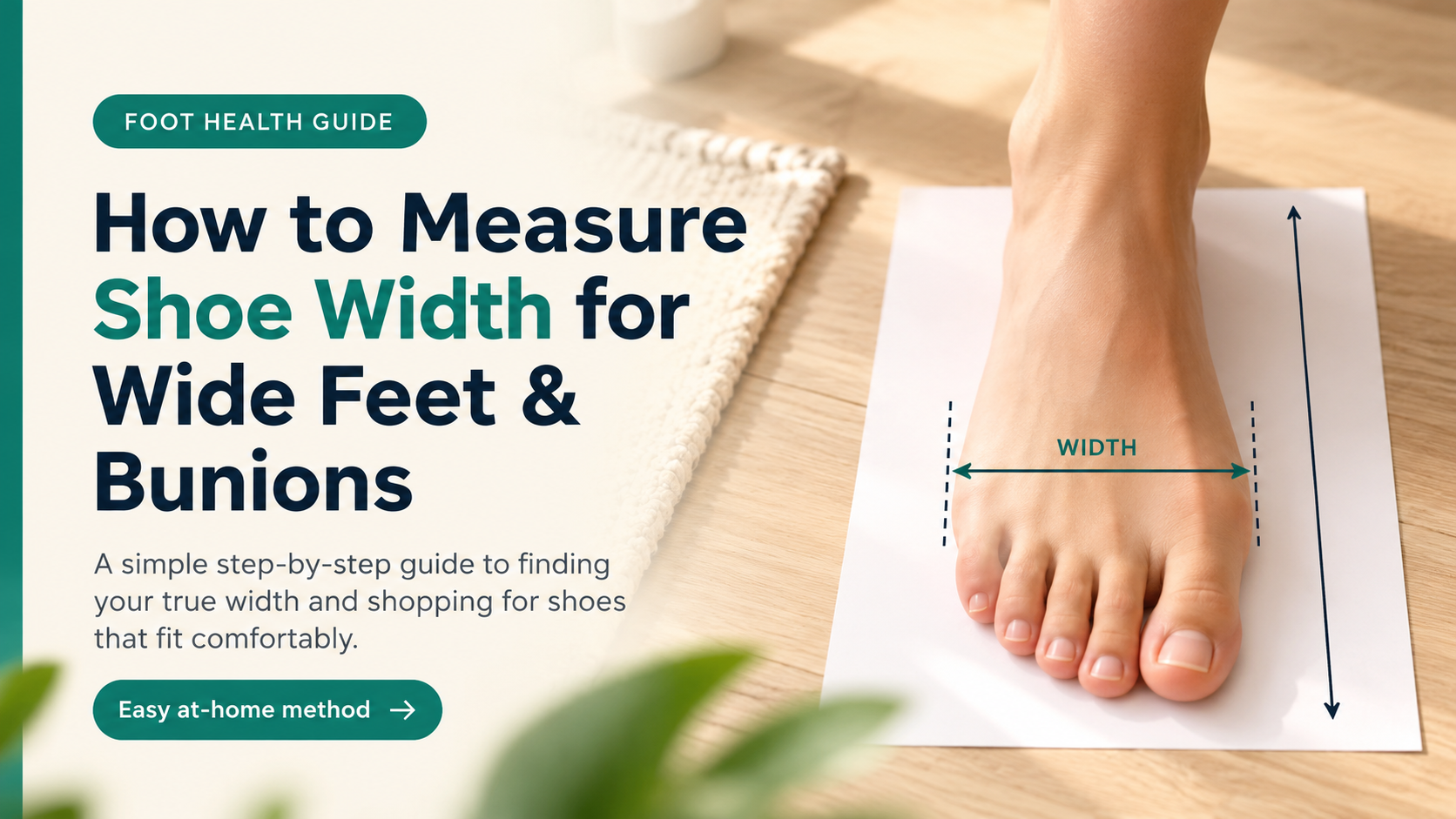
- Use a Brannock device at a shoe store for accurate length and width measurement.
- Always measure both feet—go with the size of the larger one.
- Stand up during measurement, as feet expand under body weight.
“Many people are wearing shoes that are too small, even if they don’t feel tight.”
A snug fit might seem secure, but it increases pressure on the toes with every step. If you’ve been experiencing toe discomfort or frequent nail issues, it’s time to get professionally measured—even if you’ve worn the same size for years.
Pick Shoes with a Wide, Foot-Shaped Toe Box
A narrow toe box forces your toes together, especially pushing the big toe inward. This constant pressure alters nail growth and increases the risk of ingrowth.
- Choose shoes with a wide, anatomical toe box that mirrors the natural shape of your foot.
- Avoid pointed, tapered, or squared-off styles, especially in dress shoes and boots.
- Test the fit: wiggle your toes freely—if they’re pressed together, the shoe is too narrow.
“If your big toe is pressed against the second toe, your shoe is too narrow.”
Look for brands and models designed with foot health in mind. Many athletic and minimalist shoe lines now offer “foot-shaped” designs that allow natural toe splay, reducing pressure on the nail edges.
Leave a Thumb’s Width of Space at the Front
There should be 3/8 to 1/2 inch (about a thumbnail’s length) between your longest toe and the end of the shoe. This space prevents repeated impact during walking or running, which can cause microtrauma and change how the nail grows.
- Measure this gap while standing and wearing the socks you plan to use.
- Remember: feet swell during activity and in heat—a shoe that fits at rest may become too tight later.
Even slight repeated trauma—like your toe hitting the front of the shoe—can lead to bruising, thickened nails, or ingrown toenails over time. That extra half-inch of space isn’t wasted room—it’s essential protection.
Buy Shoes in the Afternoon for the Best Fit
Feet naturally expand throughout the day due to activity, gravity, and fluid buildup. Shopping first thing in the morning means you might buy shoes that are too small.
- Shop between 3 PM and 6 PM, when your feet are at their largest.
- Try shoes on after a walk or workout if you’ll wear them during exercise.
- Wear the same type of socks you’ll use with the shoes (e.g., athletic, dress, or winter socks).
“Waiting until the afternoon ensures you’re buying shoes that fit when your feet are most swollen.”
This small timing shift can make the difference between a shoe that’s comfortable all day and one that slowly damages your toenails.
Cut Toenails Straight Across—Never Rounded
Even perfectly fitting shoes won’t protect you if your toenails are cut incorrectly. Rounding the corners or cutting them too short is one of the top causes of ingrown toenails—especially when combined with shoe pressure.
Trim Nails After Soaking for Cleaner Cuts
Softened nails are easier to cut cleanly and less likely to splinter or tear.
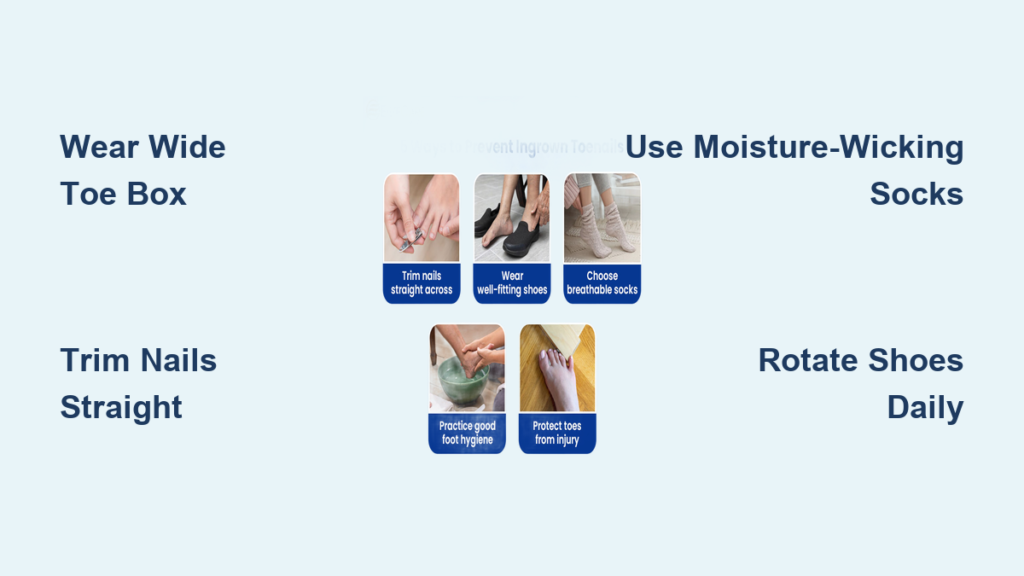
- Soak feet in warm water for 5–10 minutes before trimming.
- Use clean, sharp toenail clippers designed for thick nails.
- Never rip or tear nails—this creates jagged edges that can dig into the skin.
“Cutting your nails too short and rounding the edges can cause the nail to grow back into the surrounding soft tissue.”
Trimming after a shower is ideal, as the steam and water soften the nails naturally.
Cut Straight Across—Follow the Toe, Not the Nail
The key is to cut straight across, matching the shape of the toe tip, not the natural curve of the nail.
- Leave nails 1–2 mm longer than the end of your toe.
- Avoid cutting down the sides—this increases the risk of ingrowth.
- Never taper or round the corners—this encourages the nail to grow downward.
“Rounded nails grow downward into the skin. Straight cuts guide growth forward.”
Even a slight curve on the edge can create a sharp point that pierces the skin, especially under pressure from tight shoes.
Don’t Dig Into the Corners
Picking or cutting into the nail folds can injure the soft tissue and create openings for infection.
- Let the corners grow out naturally.
- If you’re prone to ingrown nails, leave the side edges slightly longer.
- Sanitize clippers before and after use to prevent bacterial spread.
This is especially important for people with thick or curved nails, who are already at higher risk.
Wear Moisture-Wicking Socks to Reduce Friction
Wet feet increase your risk of ingrown toenails. Moisture-softened skin is easier for a nail to penetrate, especially when pressed by tight shoes.
Choose Synthetic or Merino Wool Socks—Avoid Cotton
Cotton absorbs sweat but stays wet, creating a damp, warm environment inside your shoe.
- Opt for merino wool or synthetic blends (polyester, nylon, acrylic) that wick moisture away.
- Look for performance or moisture-wicking labels on athletic and daily socks.
- Avoid thick, non-breathable socks that increase internal pressure.
“Thin, wicking socks reduce friction and keep feet dry—critical for preventing soft tissue damage.”
Dry feet are stronger, less prone to irritation, and better protected against nail penetration.
Match Your Socks to Your Shoes
The wrong sock can ruin an otherwise good fit.
- With boots, wear thin, moisture-wicking socks to avoid cramming.
- For running shoes, use technical running socks with targeted cushioning.
- In hot weather, choose breathable, low-cut socks to reduce heat buildup.
Thick socks in tight shoes increase pressure on the toes—sometimes enough to cause microtrauma over time.
Change Socks Daily—or More Often If Needed
Sweaty socks trap bacteria and fungi, raising infection risk if a nail starts to ingrow.
- Change socks at least once per day.
- Carry a spare pair if you expect heavy sweating (e.g., hiking, long shifts).
- Wash and dry feet thoroughly before putting on fresh socks.
This simple habit keeps your feet dry, reduces odor, and lowers the chance of complications.
Use Supportive Insoles to Reduce Toe Pressure
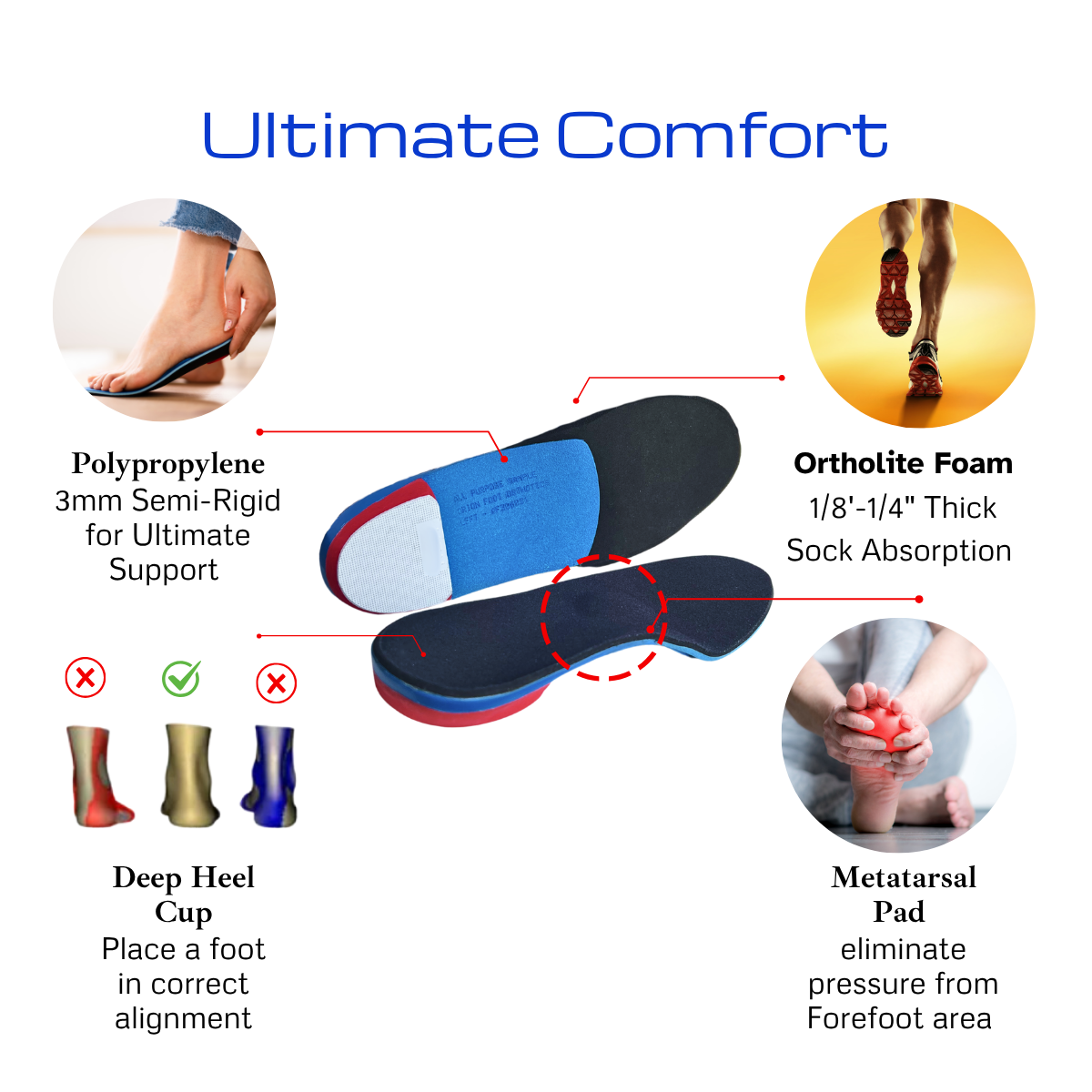
Even well-fitting shoes may not distribute pressure evenly. Without proper arch support, your foot may slide forward, forcing your toes into the front of the shoe.
Add Cushioning Under the Ball of the Foot
Metatarsal padding or arch support helps stabilize your foot and reduce forefoot pressure.
- Use over-the-counter orthotics with good arch and heel support.
- Look for insoles with metatarsal pads to lift and cushion the ball of the foot.
- Custom orthotics (from a podiatrist) are best for chronic issues or foot deformities.
“Orthotics help take the pressure off the toe, reducing the chance of nail penetration.”
When your foot is properly supported, your toes don’t have to grip to stay in place—reducing forward pressure.
Replace Worn-Out Insoles Regularly
Old or flat insoles offer no protection and can worsen foot alignment.
- Replace insoles every 6–12 months, or when they show wear.
- Upgrade from thin factory insoles to performance or medical-grade options.
- Test fit: if your foot feels unstable or slides forward, the insole isn’t working.
Your insole is part of your shoe’s support system—don’t neglect it.
Rotate Your Shoes to Give Toes a Break

Wearing the same pair every day keeps constant pressure on the same areas of your feet, increasing the risk of ingrown toenails and other issues.
Alternate Between 2–3 Pairs of Shoes
Switching footwear allows each pair to dry out and your feet to recover.
- Rotate between different styles (e.g., sneakers, loafers, boots).
- Let shoes air out completely between uses—damp interiors promote fungal growth.
- Use shoe trees or odor-absorbing inserts to speed drying.
“Letting your feet breathe reduces swelling and prevents chronic compression.”
Variety isn’t just comfortable—it’s protective.
Give Your Toes a Break with Open-Toe Options
When safe, wear sandals or go barefoot at home to relieve pressure.
- Open-toe shoes reduce compression on affected toes.
- Walking barefoot (on clean, safe floors) strengthens foot muscles and improves alignment.
- Avoid tight slippers or backless shoes that force toes to grip.
Even short breaks from closed shoes can help reduce swelling and prevent long-term damage.
Watch for Early Warning Signs—Act Before It Hurts
Catching an ingrown toenail early can prevent pain, infection, and medical treatment.
Inspect Your Feet Daily
Make foot checks part of your routine—especially if you’re at risk.
- Look for redness, swelling, or tenderness along the nail edge.
- Watch for mild pain when pressing on the side of the toe.
- Note any changes in nail shape or skin texture.
“Early detection means you can fix it with home care—before it gets worse.”
A quick glance each day can save you from weeks of discomfort.
Act Fast If You Feel Pressure or Discomfort
Don’t wait for severe pain.
- Stop wearing a shoe that pinches or feels tight.
- Soak the foot in warm water with Epsom salt for 15–20 minutes to reduce swelling.
- Gently lift the nail edge with a clean cotton fiber (if accessible) to relieve pressure.
These steps can often reverse early ingrowth before it becomes serious.
Know When to See a Doctor
Some cases need professional care—especially if you have underlying health issues.
Seek help if you have:
– Pus or drainage from the toe
– Increasing redness, warmth, or swelling
– Severe pain that disrupts sleep or walking
– Diabetes, poor circulation, or nerve damage
– Recurring ingrown toenails
“For diabetics, even a small ingrown nail can lead to serious complications.”
Prompt medical treatment can prevent infection and long-term damage.
Special Considerations for High-Risk Groups
Certain people must take extra precautions to avoid complications.
Athletes: Protect Feet Under Pressure
Runners, hikers, and soccer players face constant toe impact.
- Choose sport-specific shoes with extra toe room and cushioning.
- Replace athletic shoes every 300–500 miles or when cushioning wears down.
- Monitor for “black toenails” or bruising—signs of repeated trauma.
“Tight cleats or running shoes are a top cause of athlete ingrown toenails.”
Diabetics: Prioritize Foot Health
Nerve damage can mask pain, delaying treatment.
- Inspect feet daily using a mirror if needed.
- Never attempt to cut or dig out an ingrown nail yourself.
- See a podiatrist at the first sign of redness or swelling.
Children: Monitor Growth Closely
Kids outgrow shoes quickly, leading to tight fits.
- Check shoe size every 3–6 months during growth spurts.
- Watch for toe-walking, shoe complaints, or red marks on toes.
- Replace small shoes early to prevent long-term foot pain.
“Replacing small shoes early saves kids from long-term foot pain.”
Final Note: Preventing ingrown toenails from tight shoes starts with awareness. Comfort isn’t always a reliable guide—your shoes might feel fine but still be too short or narrow. By choosing the right fit, trimming nails correctly, wearing smart socks, and inspecting your feet regularly, you can stop ingrown toenails before they start. If you’re at higher risk due to diabetes, athletics, or genetics, be proactive: small daily habits make a big difference in long-term foot health.