


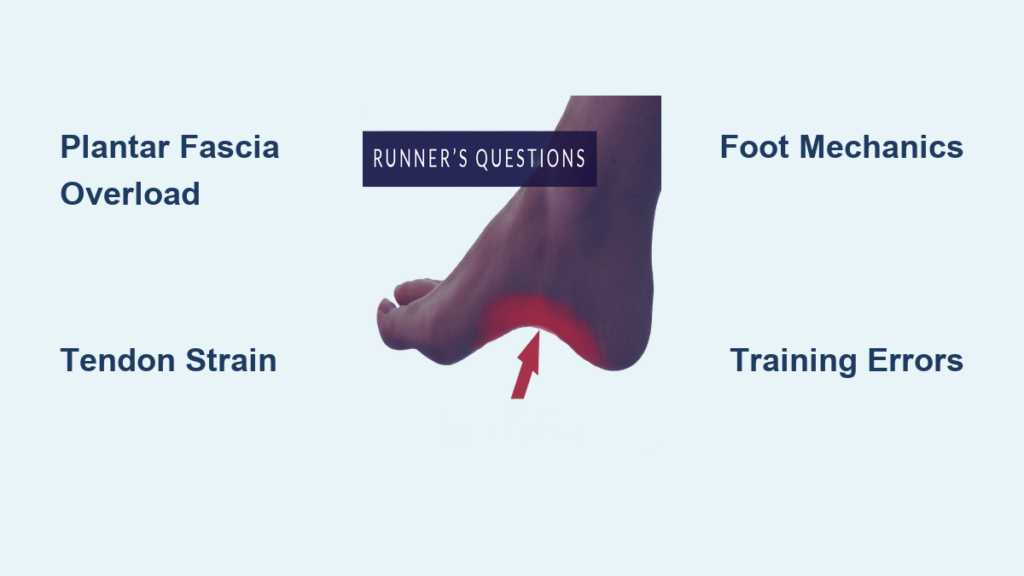
You lace up your running shoes, step onto the pavement, and within minutes—there it is: a sharp, burning, or aching pain deep in the arch of your foot. It doesn’t hurt when you walk. It’s not stiff in the morning. But the moment you start running, the pain flares. If this sounds familiar, you’re not alone. Arch pain that strikes only during running is a surprisingly common issue—yet it’s often misdiagnosed or dismissed as normal soreness. It’s not. This type of pain is your body’s way of signaling that something’s off: mechanical stress, muscle imbalance, or overuse is pushing your foot beyond its limits.
The causes range from overworked tendons and weak foot muscles to poor footwear and flawed biomechanics. Left unchecked, that nagging discomfort can escalate into chronic injury and derail your training. But here’s the good news: most cases are highly treatable once you identify the real culprit. This guide breaks down the true causes of arch pain triggered only by running, how to pinpoint which one affects you, and actionable steps to heal—without unnecessary downtime.
Plantar Fascia Overload During Running
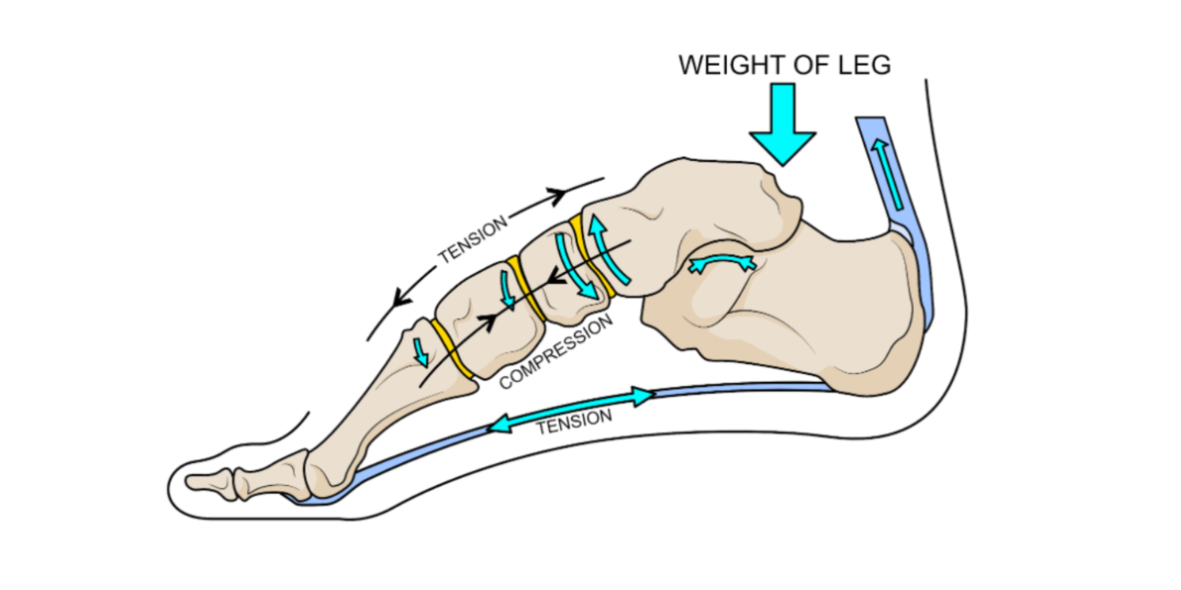
Even if you don’t have classic heel pain, the plantar fascia is often the root of arch discomfort during running. This thick band of tissue runs from your heel to your toes, acting like a tension bridge that stabilizes your arch with every stride.
Why Running Triggers the Pain
Running generates 2–3 times your body weight in impact per step. Unlike walking, which is relatively low-stress, running forces the plantar fascia into rapid, repeated stretching—especially during toe-off. If the tissue is already compromised by tight calves, weak foot muscles, or poor mechanics, it can’t handle the load.
- Pain location: Sharp or burning sensation in the medial (inner) arch, often near the base of the big toe.
- Aggravated by: Speedwork, hills, or longer runs.
- No morning pain? Not ruled out: While plantar fasciitis is famous for first-step pain, runners may only feel it during activity due to dynamic overload, not static stiffness.
Fix the Root, Not Just the Symptom
Rolling your foot on a ball or stretching your calves helps, but lasting relief requires addressing why the fascia is overloaded.
- Tight calves (gastrocnemius/soleus): Limit ankle dorsiflexion, forcing the arch to stretch excessively.
- Weak intrinsic foot muscles: Fail to support the arch, shifting load to the fascia.
- Overstriding: Landing with your foot ahead of your body increases braking forces and arch strain.
Pro Tip: Do the towel stretch daily—loop a towel around the ball of your foot and gently pull your toes toward your shin. Hold 30 seconds, 3 sets per leg. This stretches both the plantar fascia and calf complex simultaneously.
Posterior Tibial Tendon Strain in Runners
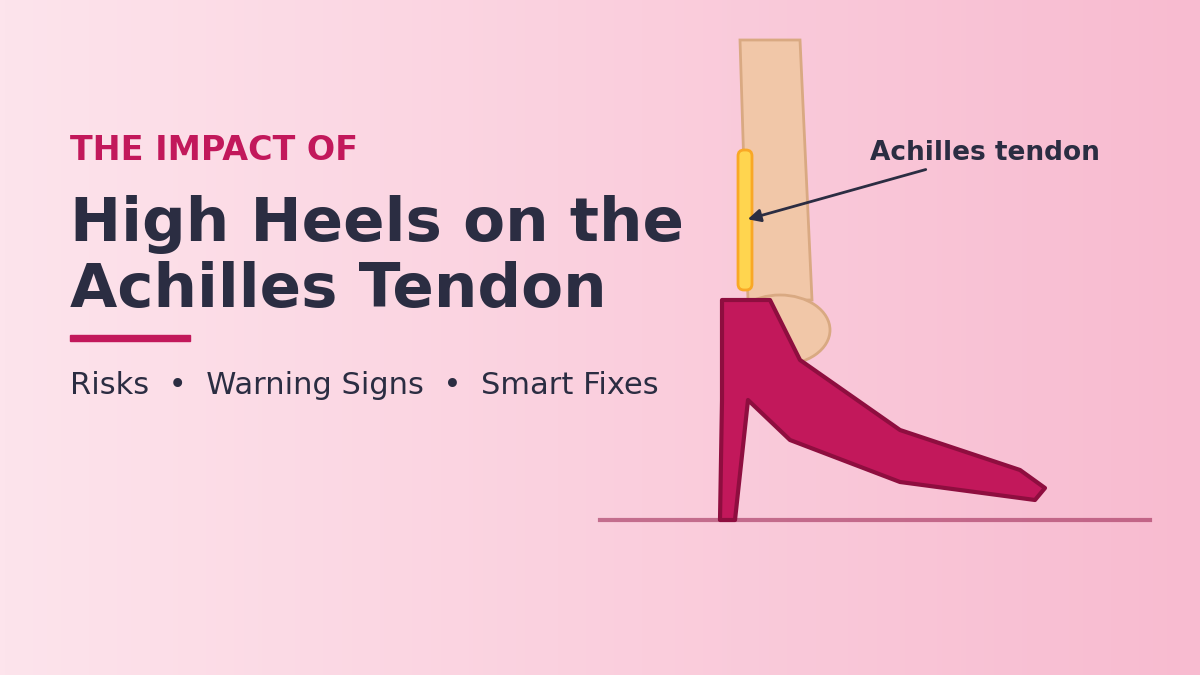
If your pain runs along the inner arch and wraps toward the ankle, the posterior tibial tendon may be the real offender. This tendon is the primary dynamic stabilizer of the arch—especially during the stance phase of running.
How Running Overloads the Tendon
With each foot strike, this tendon contracts to prevent your arch from collapsing. In runners with flat feet or overpronation, it works overtime. Over time, microtears develop, leading to posterior tibial tendon dysfunction (PTTD)—also known as adult-acquired flatfoot.
- Pain pattern: Deep ache or sharp pain along the inner arch and ankle, worsening during or after runs.
- Swelling: May appear after activity, especially if you’ve run long distances.
- Progressive flattening: Your arch may visibly lower over weeks or months.
Test for Tendon Weakness
Try a single-leg heel raise:
– Stand barefoot on one foot.
– Slowly rise onto your toes.
– If you can’t do 10 reps, or your arch collapses inward, the tendon is likely weakened.
This simple test is a powerful diagnostic clue—even in early-stage PTTD.
Expert Insight: “As the arch caves in, the posterior tibial tendon works overtime to support it, and eventually can become fatigued and painful.” – Dr. Judith Sperling
High Arches vs. Flat Feet: Biomechanical Triggers

Both high arches (cavus foot) and flat feet (fallen arches) can cause arch pain during running—but for opposite reasons.
High Arches: Poor Shock Absorption
Runners with high arches have rigid, inflexible feet that don’t absorb impact well.
- Pain mechanism: Hard foot strike concentrates force on the ball and heel, straining the arch.
- Risk factors: Congenital structure, neurological conditions (e.g., Charcot-Marie-Tooth), or muscle imbalances.
- Running impact: Increased risk of stress fractures, arch strain, and lateral ankle sprains.
Look for: Excessive wear on the outer edge of your running shoes.
Flat Feet: Excessive Pronation
Low or collapsed arches cause overpronation—the foot rolls inward too much after heel strike.
- Pain onset: Develops mid-run or after longer distances.
- Progressive strain: Chronic overpronation overloads the plantar fascia and posterior tibial tendon.
- Kinetic chain effects: Misalignment can contribute to shin splints, knee pain, and hip issues.
Look for: Wear pattern on the inside heel and forefoot.
Key Insight: “Both high and low arches can cause arch pain when running—especially if paired with improper footwear or training habits.” – Dr. Maggie Fournier
Overpronation and Abnormal Foot Mechanics
Overpronation isn’t just about foot shape—it’s a dynamic gait flaw that directly stresses the arch during running.
What Happens During Overpronation
After heel strike, the foot rolls inward more than the ideal 15%. This excessive motion:
- Flattens the arch beyond its normal range.
- Stretches the plantar fascia like a rubber band.
- Overloads the posterior tibial tendon.
- Creates torsional stress up the leg.
How to Spot It
- Shoe wear test: Check your used running shoes. If the inner heel and midsole are significantly more worn, overpronation is likely.
- Wet foot test: Step on a brown paper bag with wet feet. A full or wide imprint suggests flat feet and overpronation.
Supination (Under-Pronation): The Other Extreme
Less common but equally problematic. The foot rolls outward, concentrating pressure on the outer edge and forefoot.
- Arch impact: Reduces natural shock absorption, increasing strain on arch structures.
- Common in high-arched runners.
- Risk: Stress fractures, peroneal tendonitis, and lateral arch pain.
Intrinsic Foot Muscle Dysfunction
Emerging research shows that many cases of “plantar fasciitis” are actually intrinsic muscle dysfunction, particularly in the abductor hallucis and flexor hallucis brevis.
Why Muscles Matter
These small muscles stabilize the arch during push-off. When weak or fatigued, they can’t support the foot, leading to overload and pain.
- Pain location: Medial arch, near the base of the big toe.
- Aggravated by: Big toe extension or push-off phase of running.
- Palpation: Firm, tender muscle belly—not just fascia.
It’s Not Scar Tissue—It’s Kinetic Chain Failure
One study found patients with chronic arch pain recovered in four weeks—not with massage or stretching, but with neuromuscular retraining targeting hip and ankle control.
- Root cause: Weak glutes, poor core control, or ankle instability force foot muscles to overcompensate.
- Fix: Strengthen the entire chain, not just the foot.
Expert Take: “Most cases of chronic arch pain aren’t due to scar tissue alone—but to dysfunction in the kinetic chain.” – Article 8
Essential Strengthening Moves
Do 3–4 times per week:
- Towel scrunches: Pull a towel toward you using only your toes.
- Marble pickups: Pick up marbles with your toes, drop into a cup.
- Short foot exercise: Contract your arch without curling toes. Hold 5 seconds, 10–15 reps.
- Big toe lifts: Lift only the big toe while keeping others down (and vice versa).
Training Errors That Trigger Arch Pain
Even with perfect biomechanics, poor training habits can overload the arch.
Common Mistakes
- Too much, too soon: Increasing mileage or intensity by more than 10% per week.
- Hard surfaces: Concrete or asphalt with no shock absorption.
- Hill running: Increases load on the forefoot and arch.
- Sloped roads: Cambered streets cause uneven leg loading—one arch works harder.
- No warm-up: Cold tissues are more prone to strain.
Expert Warning: “Adding too many fast miles proves especially risky, due to the added pounding.” – Dr. Fournier
Worn-Out or Wrong Footwear
Your shoes are your first line of defense. The wrong pair—or an old one—can be the sole reason your arch hurts.
When Shoes Fail
- Loss of cushioning: Midsoles break down after 300–500 miles.
- Lack of support: Neutral shoes on overpronators increase arch strain.
- Minimalist shoes: Can strengthen feet over time but may aggravate PTTD in flat-footed runners.
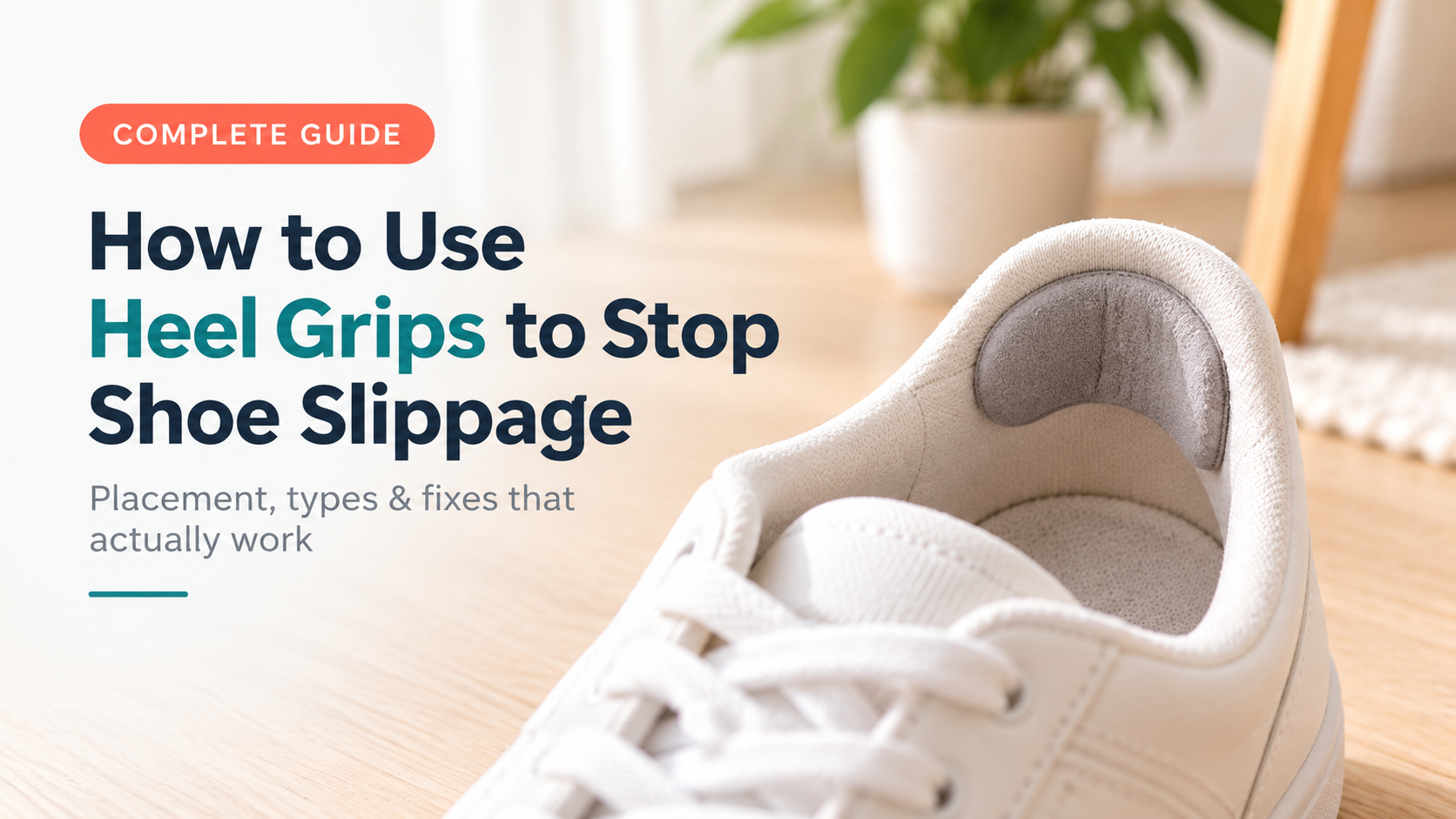
How to Choose the Right Shoe
- High arches: Need cushioned, neutral shoes.
- Flat feet: Require stability or motion-control shoes.
- Get fitted: Visit a specialty running store for gait analysis.
- Rotate shoes: Use 2–3 pairs to vary stress patterns.
Pro Tip: “Consider buying more than one brand and model and rotating them.” – Dr. Conenello
When to See a Doctor
Don’t wait months. Seek help if:
- Pain lasts more than 2–3 weeks despite rest.
- You limp or alter your gait.
- There’s swelling, bruising, or warmth in the arch.
- Pain wakes you at night.
- You have diabetes or circulation issues.
A podiatrist will palpate, test strength, analyze gait, and may order imaging (X-ray, MRI, or ultrasound) to confirm the diagnosis.
Immediate Relief and Recovery Plan
First 48 Hours: Reduce Load
- Stop running if pain increases.
- Cross-train: Pool running, swimming, or cycling.
- Ice the arch: 10–20 minutes, 2–4 times daily. Use a frozen water bottle to roll under the foot.
Stretch and Strengthen
- Calf stretches: 3 sets of 30 seconds, twice daily.
- Ball rolling: Use a lacrosse ball for 2–3 minutes.
- Start intrinsic exercises early: Even while painful, isometric contractions like the short foot exercise are safe and effective.
Prevention: Stay Arch-Pain Free
- Follow the 10% rule.
- Mix your surfaces—trails, grass, tracks.
- Condition your feet—treat foot strength like core work.
- Replace shoes every 350–500 miles.
- Wear supportive shoes all day—avoid flip-flops and barefoot walking on hard floors.
Final Note: Arch pain during running isn’t normal—and it’s not just plantar fasciitis. Whether it’s tendon strain, muscle dysfunction, or poor training habits, the solution starts with identifying the real cause. Treat the function, not just the tissue, and you’ll return to running stronger, faster, and pain-free.