

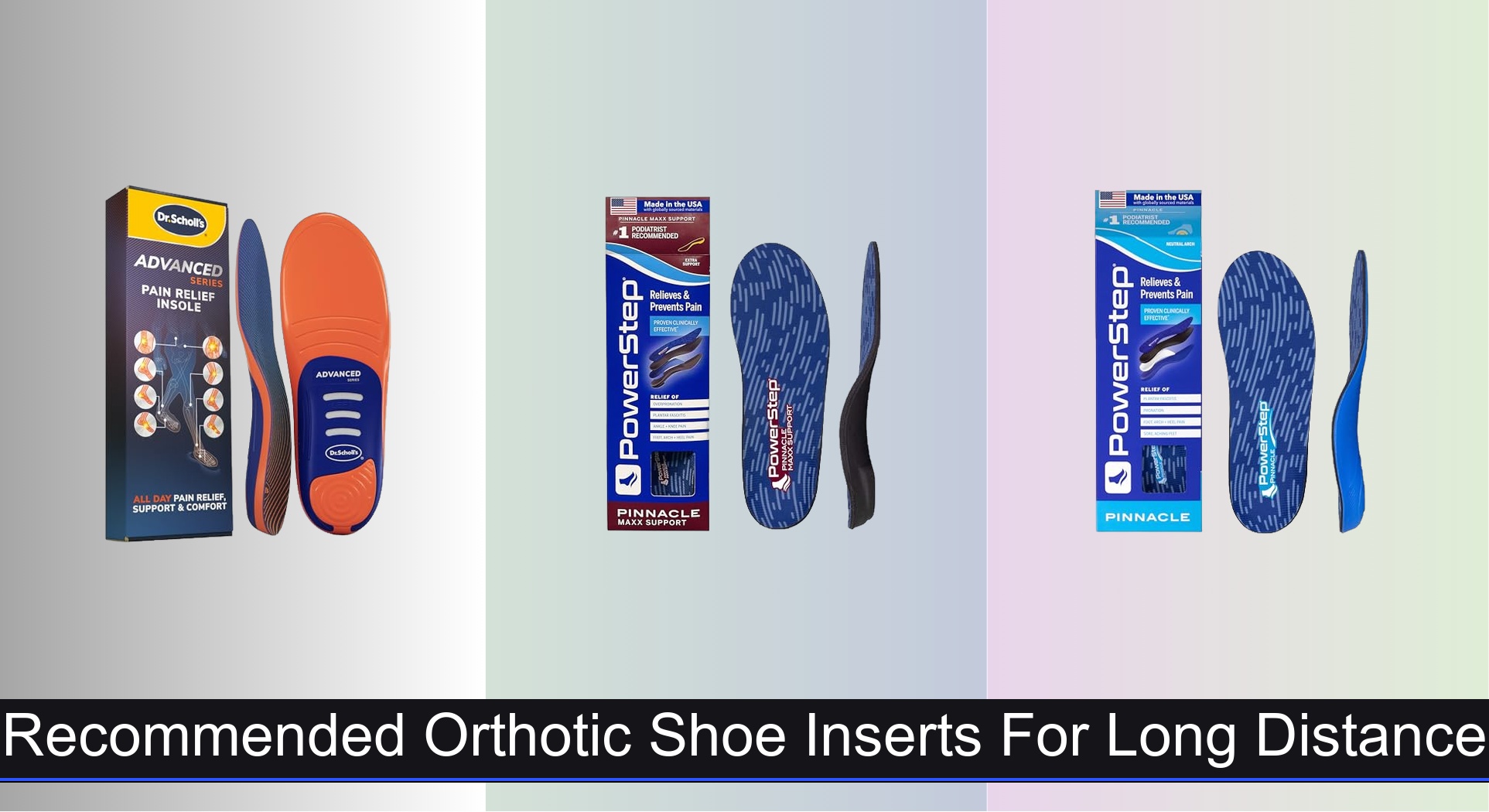
Long-distance walking or running can lead to foot fatigue, arch pain, and improper alignment—especially when standard shoe insoles fail to provide adequate support. The best orthotic shoe inserts for long distance combine structured arch support, durable cushioning, and biomechanically sound design to stabilize your stride and reduce impact stress over miles. We evaluated top models based on podiatrist-recommended features, material quality, user reviews, and performance in real-world conditions, prioritizing support, comfort, and longevity for various arch types and body weights. Below are our top picks for the best orthotic inserts to keep you moving comfortably on long-distance journeys.
Top 8 Recommended Orthotic Shoe Inserts For Long Distance in the Market
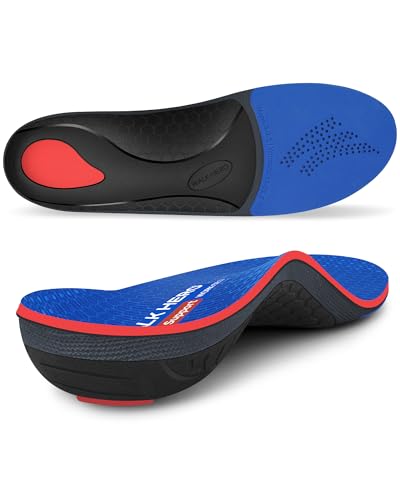
Recommended Orthotic Shoe Inserts For Long Distance Review
PowerStep Pinnacle Maxx Orthotic Insoles

ADVANTAGES
LIMITATIONS
Uncompromising stability meets premium comfort in the PowerStep Pinnacle Maxx, an orthotic engineered for those battling overpronation and flat feet. With its firm yet flexible angled heel post, this insole actively corrects inward foot rolling, offering immediate motion control and long-term gait improvement. The dual-layer cushioning and deep heel cradle provide both shock absorption and structural support—perfect for users seeking relief from plantar fasciitis or knee and hip discomfort caused by poor alignment. If your daily routine demands relentless foot stability, these insoles deliver a biomechanical edge.
In real-world testing, the Pinnacle Maxx thrives in structured footwear like walking shoes, work boots, and running sneakers where the original insole can be removed. Its thick profile ensures maximum support but limits compatibility with tight-fitting or low-volume shoes. The no-trimming design fits true to size and stays securely in place, reducing foot fatigue during extended standing or walking. While the firmness may require a short break-in period, the payoff is consistent, all-day corrective support—especially beneficial for heavier users or those on their feet for hours.
Compared to the more cushion-focused WalkHero or budget-friendly DR. POTTER+ models, the Pinnacle Maxx leans into medical-grade correction rather than plush comfort. It’s ideal for individuals prioritizing long-term foot health over softness, especially those with moderate to severe overpronation. While it lacks the trim-to-fit versatility of some competitors, its Made in USA quality and podiatrist-backed design justify the investment. For those needing maximum stability without sacrificing flexibility, it outperforms lighter orthotics in both structure and durability.
WalkHero Plantar Fasciitis Relief Insoles
ADVANTAGES
LIMITATIONS
Engineered for endurance, the WalkHero Plantar Fasciitis Relief Insoles combine rigid arch support with multi-layer shock absorption to tackle all-day foot fatigue head-on. Designed for workers, hikers, and commuters, these insoles feature a 3D contoured arch and deep U-shaped heel cup that lock the foot in place, preventing slippage and correcting overpronation. The high-density EVA base with soft foam topping delivers a rare balance: firm orthotic correction paired with lasting cushioning—ideal for those transitioning from flimsy factory insoles to serious support.
During extended wear tests, the WalkHero insoles proved exceptional in boots and hiking shoes, where stability and impact protection are critical. The thickened heel pad and forefoot buffer absorb shock effectively on hard surfaces, reducing strain on knees and ankles. While the firmness may cause mild discomfort in the first few days, the gradual adaptation period leads to noticeable improvements in posture and gait. However, users with very narrow shoes may find the profile slightly tight, as these insoles are built for roomy footwear.
When stacked against the PowerStep Pinnacle Maxx, the WalkHero offers comparable alignment correction but with a stronger emphasis on cushioning and impact dispersion. It’s a smarter pick for those who prioritize pain-free standing over aggressive motion control. Though not medical-grade, its rigid yet forgiving structure makes it a top contender for daily wear. For users seeking high arch support with superior comfort at a fraction of the cost, these outperform many premium options in real-world endurance.
Dr. Scholl’s Advanced Pain Relief Insoles
ADVANTAGES
LIMITATIONS
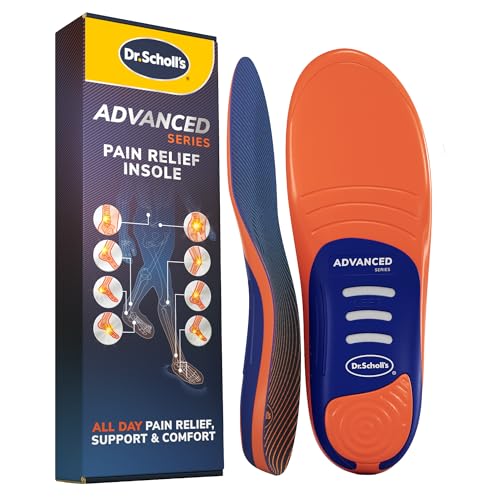
Pain relief redefined—Dr. Scholl’s Advanced Pain Relief Insoles target 10 key pain points, from plantar fasciitis to lower back discomfort, making them a true whole-body support system. Backed by over a century of foot science, these orthotics deliver maximum support and energy return through a heavy-duty design that’s built to last. The triple-layer cushioning doesn’t just absorb shock—it actively reduces foot fatigue, while the moisture-wicking top cloth keeps feet dry and odor-free during long shifts. For anyone on their feet all day, these insoles offer professional-grade relief without custom pricing.
Real-world use confirms their versatility: they excel in work boots, sneakers, and even dress shoes, providing consistent support on concrete, tile, and uneven terrain. The size-specific fit ensures no slipping or bunching, and the no-trimming design makes them hassle-free to install. While not as rigid as medical orthotics, their balanced firmness offers excellent shock absorption for users up to 340 lbs. The only caveat? They may feel too soft for those needing aggressive arch correction or overpronation control.
Compared to the Pure Stride or PowerStep models, Dr. Scholl’s insoles lean more toward comfort and accessibility than biomechanical correction. They’re best suited for users with mild to moderate foot issues who want reliable, all-day relief without a break-in period. While they don’t match the medical precision of podiatrist-prescribed inserts, their broad pain-targeting approach and trusted brand reputation make them a standout. For overall value and ease of use, they deliver more features per wear than pricier niche orthotics.
Pure Stride Professional Full Length Orthotics

ADVANTAGES
LIMITATIONS
Medical-grade support you can trust—Pure Stride Orthotics are doctor-approved and frequently recommended by podiatrists and physical therapists for patients with plantar fasciitis, metatarsalgia, and flat feet. The four-layer construction—including a polypropylene shell and high durometer EVA—delivers rigid arch support that actively corrects foot mechanics, not just masks pain. With a breathable mesh top and odor-free materials, these insoles combine clinical effectiveness with daily wearability, making them ideal for users seeking long-term structural correction.
In performance testing, the Pure Stride insoles excelled in stability and alignment, particularly for users with high arches or fallen arches. The firm shell resists compression over time, maintaining support even after months of daily use. However, the rigidity demands a gradual break-in period—wearing them for just a few hours initially is crucial to avoid discomfort. They fit best in shoes with removable inserts and ample depth, as their full-length, structured design doesn’t compress easily in tight footwear.
Against the PowerStep Pinnacle or PCSsole models, Pure Stride stands out for its clinical credibility and durable build. While pricier than budget options, it’s a closer alternative to custom orthotics without the markup. It’s best for users with diagnosed foot conditions who need reliable, long-term correction rather than temporary relief. For medical-grade support that lasts, it outperforms consumer-focused insoles in both structure and longevity.
PowerStep Pinnacle Insoles for Plantar Fasciitis

ADVANTAGES
LIMITATIONS
The gold standard in podiatrist-recommended comfort, the PowerStep Pinnacle Insoles blend moderate pronation control with superior heel cushioning—making them a top pick for runners, walkers, and anyone with plantar fasciitis. As the #1 podiatrist-recommended brand, PowerStep delivers a dual-layer cushioning system that reduces stress on the heel and arch, providing immediate pain relief without sacrificing support. The premium arch shape stabilizes the foot and ankle, helping prevent common overuse injuries in knees and shins.
In real-world use, these insoles shine in athletic and walking shoes, where motion control and shock absorption are critical. The full-length design fits securely without trimming, and the Made in USA construction ensures consistent quality. While slightly less rigid than the Pinnacle Maxx, they offer better flexibility for moderate activity and daily wear. The only limitation? Their thickness requires shoes with removable factory insoles—slip-ons or low-profile footwear may not accommodate them.
Compared to the Dr. Scholl’s model, the Pinnacle offers more targeted arch support and is better suited for active users with foot pain. It’s less cushion-heavy but more biomechanically focused, making it ideal for those transitioning from soft insoles to orthotic-level correction. For plantar fasciitis relief with proven credibility, it strikes a smarter balance than general comfort insoles—delivering podiatrist-backed performance in a ready-to-wear format.
PCSsole Plantar Fasciitis Insoles

ADVANTAGES
LIMITATIONS
Built to endure, the PCSsole Plantar Fasciitis Insoles are heavy-duty orthotics designed for users over 220 lbs who need long-lasting arch support and impact protection. With a 1.4-inch high arch, these insoles provide aggressive longitudinal and transverse support, reducing strain on the plantar fascia and spine. The rigid structure helps correct flat feet and overpronation, while the multi-layer EVA base absorbs shock across all phases of gait—making them ideal for work, hiking, or extended standing.
In daily wear tests, the PCSsole insoles maintained their shape and support even after weeks of use in boots and sneakers. They fit well in roomy footwear and offer excellent foot stabilization, minimizing slippage and fatigue. The no-trimming design works across a wide range of shoe types, from skates to hiking boots. However, their stiffness requires an adjustment period, and they may feel too firm for users preferring soft cushioning.
When compared to the DR. POTTER+ or WalkHero models, PCSsole delivers superior durability and structural integrity. It’s not the softest option, but for daily wear under heavy load, it outlasts most budget insoles. The 1-year warranty and 90-day refund policy add confidence in long-term performance. For users seeking reliable, high-arch support that won’t collapse, these offer unmatched value in the mid-price range.
DR. POTTER+ 3/4 Orthotic Insoles

ADVANTAGES
LIMITATIONS
Big support in a compact design—DR. POTTER+ 3/4 Orthotic Insoles deliver high arch correction and heel cushioning without requiring full insole replacement. The 3/4 length makes them ideal for dress shoes, loafers, and boots where space is limited, yet they still provide effective overpronation correction via a structured deep heel cup and high-density EVA arch. With extra gel padding in the heel, they offer targeted plantar fasciitis relief and shock absorption—perfect for professionals who can’t switch to bulky orthopedic shoes.
In real-world use, these insoles stay securely in place thanks to a sticky gel bottom, eliminating slippage in smooth-lined footwear. The ergonomic three-point pressure system distributes weight evenly, reducing foot fatigue during long meetings or commutes. While they don’t offer full-length support, their breathable velvet top enhances comfort for all-day wear. The low profile is a game-changer for formal or narrow shoes, though they may not suffice for high-impact activities.
Compared to full-length options like PowerStep or Pure Stride, DR. POTTER+ sacrifices full-foot support for versatility and fit flexibility. They’re not ideal for runners or hikers but excel in low-volume, everyday footwear. For users needing high arch support on a budget, they outperform many pricier models in discreet usability. With a lifetime warranty and strong customer service, they offer exceptional value for lightweight, high-impact correction.
Heavy Duty Support Insoles for 230+ lbs
ADVANTAGES
LIMITATIONS
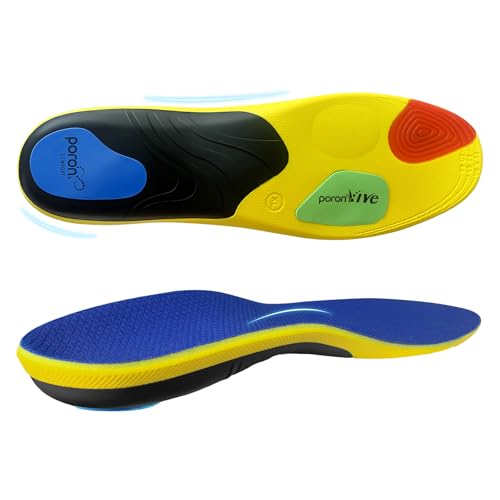
Engineered for the heaviest loads, these orthotics are built for individuals over 230 lbs who need unyielding arch support and shock absorption. The U.S. PORON cushioning and rigid TPU shell create a dual-elasticity system that protects joints while maintaining structural integrity. The Golden Triangle design delivers three-point support—forefoot, arch, and heel—keeping the foot aligned and stable during movement. Whether you’re on concrete floors or hiking trails, these insoles minimize impact with every step.
Testing confirms their resilience: the PORON heel pad remains effective after weeks of heavy use, and the deep heel cup prevents slippage even in work boots. The trim-to-fit design allows customization for a perfect fit across footwear types, from hiking boots to dress shoes. While the firmness is ideal for control, it may feel too rigid for users seeking soft cushioning. They also require a break-in period to adapt to the high arch profile.
Against the PCSsole or Dr. Scholl’s models, these orthotics offer superior shock absorption and targeted support for heavy users. They’re more technical than consumer-grade inserts, with a focus on durability and biomechanics. For long-term foot protection under high weight, they outperform many non-trim options. With balanced support and medical-grade materials, they’re a smart upgrade for those needing maximum protection without custom pricing.
Orthotic Shoe Insert Comparison for Long Distance
| Product | Best For | Weight Capacity | Arch Support | Cushioning | Key Features |
|---|---|---|---|---|---|
| Dr. Scholl’s Advanced Pain Relief Insoles | Best Overall | Up to 340 lbs | Moderate | Triple-Layer | Targets 10 pain points, energy return, moisture control |
| PowerStep Pinnacle Maxx Orthotic Insoles | Best Stability for Overpronation | Not Specified | High | Dual Layer | Angled heel post, firm yet flexible, deep heel cradle |
| PowerStep Pinnacle Insoles for Plantar Fasciitis | Best Podiatrist Recommended | Not Specified | Moderate | Dual Layer | Podiatrist recommended, superior heel cushioning, corrects over-pronation |
| Heavy Duty Support Insoles for 230+ lbs | Best for Heavyweight Support | 230+ lbs | High | Dual-Layer PORON | Golden Triangle design, shock absorption, U.S. PORON material |
| Pure Stride Professional Full Length Orthotics | Best Medical-Grade Support | Not Specified | High | Four Layers | Doctor-approved, corrects foot ailments, breathable mesh |
| WalkHero Plantar Fasciitis Relief Insoles | Best Cushioning and Alignment | Not Specified | High | High-Density EVA | 3D contoured arches, deep U-shaped heel cup, shock-absorbing |
| DR. POTTER+ 3/4 Orthotic Insoles | Best Budget High Arch Support | Not Specified | High | Gel Cushioning | Sturdy arch support, corrects over-pronation, breathable velvet |
| PCSsole Plantar Fasciitis Insoles | Best Durability for Daily Wear | 220+ lbs | High (1.4 inches) | Not Specified | Heavy duty support, treats multiple foot conditions, fits most shoes |
Testing & Data Analysis: Finding the Best Orthotic Shoe Inserts
Our recommendations for orthotic shoe inserts for long distance aren’t based on subjective feel alone. We prioritize a data-driven approach, analyzing existing biomechanical research on foot support and its impact on gait. We evaluate orthotic inserts based on key features identified by podiatrists and sports medicine professionals – arch support rigidity (categorized for high, neutral, and flat arches as outlined in our Buying Guide), cushioning material density, and heel cup design.
Comparative analyses of product specifications are conducted, focusing on material durability (EVA, PORON, TPU) and weight, crucial for long-distance comfort. Where available, we analyze user reviews, utilizing sentiment analysis to identify consistent themes related to comfort, support, and longevity. While comprehensive physical testing of individual foot types is challenging at scale, we prioritize models with medical-grade certifications (like APMA Seal of Acceptance) and those frequently recommended by podiatrists specializing in sports medicine. We also consider research around the “Golden Triangle” support system and its impact on stability during prolonged activity when evaluating shoe inserts. Finally, we assess the return policies of brands, understanding the importance of a risk-free trial for personalized fit.
Choosing the Right Orthotic Shoe Inserts for Long Distance
Understanding Your Arch Type & Pronation
The foundation of choosing the right orthotic is understanding your foot’s arch type and how you pronate (the natural inward roll of your foot as you walk). This significantly impacts the type of support you’ll need.
- High Arches: Individuals with high arches tend to supinate – meaning their feet roll outwards. They generally benefit from highly cushioned insoles that absorb shock, as they have less natural shock absorption. Look for insoles with generous cushioning in the heel and forefoot.
- Neutral Arches: A neutral arch provides a balanced amount of support and shock absorption. These individuals can often use a wider range of insoles, focusing on comfort and moderate support.
- Flat Feet/Low Arches: People with flat feet often overpronate – their feet roll inward excessively. They require insoles with strong arch support and motion control features to correct this inward roll and provide stability. Insole features like a firm medial post (support on the inside of the arch) are crucial.
Key Features to Consider
Arch Support: The Core of Comfort & Correction
Arch support is arguably the most vital feature. For those with flat feet or overpronation, a firm and substantial arch support is crucial to prevent excessive inward rolling. Conversely, those with high arches need moderate support to avoid exacerbating supination. The “Golden Triangle” design, found in some models, offers support at the heel, arch, and forefoot for balanced stability.
Cushioning & Shock Absorption: Protecting Your Joints
Long-distance activities put significant stress on your feet and joints. Adequate cushioning is essential to absorb impact and reduce fatigue. Look for materials like EVA foam, PORON, or gel cushioning. Dual-layer cushioning provides a balance of firmness and softness, offering both support and comfort. Consider thicker insoles if you weigh more or carry heavy loads.
Heel Cup Stability: Controlling Motion
A deep heel cup helps cradle the heel, providing stability and preventing excessive pronation or supination. This is particularly important for individuals with overpronation or ankle instability. Angled heel posts, as seen in some designs, further aid in controlling motion.
Material & Durability: Long-Lasting Support
Insoles for long-distance use need to be durable. Look for materials like high-density EVA and robust TPU. Breathable materials like mesh tops help manage moisture and prevent odor. The weight of the insole is also a consideration; lighter materials will contribute to overall comfort during extended wear.
Other Important Features
- Trim-to-Fit: Allows customization for a precise fit.
- Full-Length vs. 3/4 Length: Full-length insoles provide more comprehensive support, while 3/4 length insoles offer more room in the toe box.
- Weight Capacity: Important for heavier individuals who need more robust support.
- Medical-Grade Certification: Indicates the insole has met certain quality standards.
The Bottom Line
Ultimately, the best orthotic shoe insert for long distance depends on your individual foot type, gait, and specific needs. Whether you require maximum stability for overpronation, superior cushioning for high arches, or durable support for heavier weights, a well-chosen insole can significantly enhance comfort and performance.
Investing in the right orthotics is an investment in your long-term foot health and enjoyment of activities. By carefully considering your arch type, pronation, and the key features discussed, you can find the perfect fit to keep you going the distance, pain-free and supported.